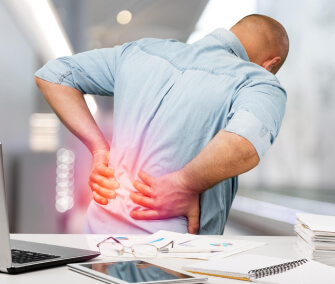
Heat/Cold Therapy (sometimes called thermotherapy and cryotherapy) uses carefully applied temperature to help tissues feel and function better. Moist heat relaxes tight muscles and improves circulation, while cold reduces swelling and numbs sore areas after irritation or overuse. We match the method—heat, cold, or contrast—to your exam findings and goals, often pairing it with chiropractic adjusting or gentle mobility so you leave looser and more comfortable.
Heat increases local blood flow, eases muscle guarding, and improves tissue glide, making it ideal for stiffness and chronic tightness. Cold limits excessive inflammation, decreases nerve conduction for pain relief, and helps control swelling after acute flare-ups. Contrast therapy alternates the two to create a gentle pumping effect that supports circulation and recovery. Your provider chooses the right approach—hot packs, warm towels, cold packs, or brief ice massage—and times it to prepare tissues for adjusting or to settle them afterward.
Why consider Heat/Cold Therapy
If you wake up stiff, feel tight after desk work, or struggle to get moving before activity, heat can soften tissue and make motion work more comfortable. If you’re flared up from a recent strain, intense workout, or a long day on your feet, cold can dial down soreness and swelling so you tolerate daily tasks better. Contrast therapy helps when you need relief plus a boost in circulation without heavy pressure.
Benefits you may notice
People often report a calmer, looser feel in the treated area, easier range of motion, and a noticeable drop in achy or sharp discomfort. By reducing guarding, heat can make stretching and adjusting smoother; by limiting swelling and pain signals, cold can speed your return to normal movement. Responses vary, and we’ll set expectations based on your history and presentation.
What to expect during a visit
After a focused assessment, we’ll apply a protective layer and place a warm or cold pack on the target area, adjusting intensity and duration to your comfort—typically 10–15 minutes. You should feel soothing warmth or a cool, numbing sensation without burning or biting cold. We avoid heat over fresh swelling and use caution with cold in areas of reduced sensation or circulation. Sessions often flow into gentle mobility or chiropractic adjusting to build on the relief you’ve gained.
Take the next step
If you’re ready to ease pain and move with less effort, contact the clinic to schedule your assessment. We’ll determine whether heat, cold, or contrast therapy fits your plan and integrate it with the right mix of hands-on care and exercises for your goals.