Massage Therapy complements chiropractic care by targeting overworked or guarded muscles and fascia. Using techniques such as Swedish, deep tissue, and trigger point work, we reduce tension, ease soreness, and improve local blood flow so joints move more freely. Sessions are tailored to your comfort level and focus on problem areas tied to your exam and goals, helping you feel lighter, looser, and better aligned.
When muscles and fascia tighten around stressed joints, they can limit motion and amplify discomfort. Focused massage helps break that cycle by calming the nervous system, improving tissue glide, and reducing protective muscle guarding. Your chiropractor selects pressure and techniques based on your presentation—gentle and restorative when you’re flared up, or deeper and more specific when you’re ready for it.
Why consider Massage Therapy
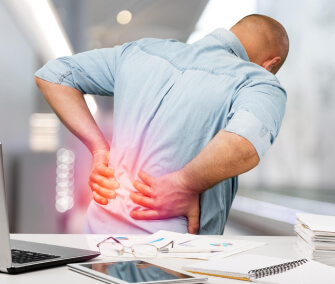
If you notice recurring tightness across the neck and shoulders, mid-back ache from desk work, hip or glute tension after activity, or lingering soreness that makes adjustments or exercise less comfortable, massage can address the soft-tissue contributors behind those symptoms. It’s equally useful as a stand-alone service or paired with chiropractic adjusting to help changes “hold” longer and make movement retraining easier.
Benefits you may notice
People commonly report less muscle tension, easier range of motion, reduced trigger point pain, and a calmer overall body feel. By improving circulation and tissue mobility, massage can support faster recovery between workouts, better posture tolerance at a desk, and more comfortable sleep. Results vary; frequency and technique are personalized to your needs and response.
What to expect during a visit
We begin with a brief conversation about your goals and any sensitive areas. You’ll be comfortably draped at all times while the therapist works the agreed regions, adjusting pressure as needed and checking in for comfort. Sessions often focus on common problem zones—neck/shoulders, upper back, hips, and legs—and may incorporate stretching or therapist-selected tools when appropriate. Afterward, you’ll get simple home tips—like hydration, gentle mobility, and ergonomic tweaks—to extend your results.